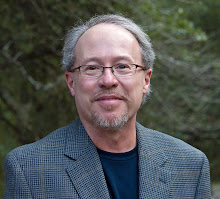
On a train between two cities, I knew that I had gone wrong. I was headed east when I should be going west. — Jeff Talmadge
|———|
Singer-songwriter Jeff Talmadge dug through his repertory of songs last week while performing at Opal Divine’s on West Sixth Street in Austin to come up with a train tune. He was marking the one-year anniversary of Capital Metro launching its rail service from Leander to downtown Austin. I had e-mailed him of my plans to ride the rail for the first time, for a story and column, plus see him perform live — also for the first time.
I’ve been a fan of Jeff’s music for several years after being introduced to it by his wife. She was my boss in a former life. Jeff gave up practicing law in Austin in 2003 to pursue a musical career. His seventh studio recording, “Kind of Everything,” was just released. Check it out at jefftalmadge.com. He’s a fine writer, and the latest CD has some strong support from veteran session musicians.
|———|
SXSW, the massive music, film and high-tech conference recently concluded in Austin, attracts tens of thousands of folks to downtown. Riding the train in from Leander meant a one-hour trip with seven stops between there and downtown, where the line ends next to the Austin Convention Center. That is where much of SXSW was taking place. Literally dozens of other venues were within easy walking distance, which explains why the train I boarded in Leander at 8:30 a.m. had standing-room only by the time it stopped near the moribund Highland Mall.
The train was big-city subway crammed by the time we got downtown. A one-time round trip ticket costs just $5.50 — far less than paying to park, if one can find a spot. I doubt I could have driven there and found a parking space in an hour, even if I avoided rush hour. Not to mention the gasoline it takes to get there.
Cap Metro in March as an experiment extended hours into Friday night and also added a couple of Saturdays. It seems to me that the service is going to have to run permanently during those times to attract a significant ridership. As someone who loves both trains and not having to drive into the city, I’m rooting for the system’s success and expansion.
The trip into town was stress-free and on time. For the first few stops, it felt like taking a leisurely drive through the country with someone else at the wheel. My oldest daughter, Kasey, joined me at Lakeline, the first stop south of Leander. Passengers spent their time fiddling with cell phones, texting or Googling. A few actually read books. We showed up exactly as scheduled and began trekking toward Opal Divine’s, about 10 blocks away.
|———|
I spied Jeff and introduced myself. He was the second act performing on the front porch of this bar/restaurant. Jeff walked around for a time with guitar strapped to his shoulder, warming up. He graciously introduced us to other musicians playing that day, including Patterson Barrett and Ray Bonneville. Look them up. They’re legends, consummate musicians, writers and singers who rarely crack commercial radio’s limited playlist. Patterson accompanied Jeff on his brief set, one friend helping out another — neither likely making much more than tip money for the effort.
I read earlier that 2,000 or so bands were in town for SXSW. Kasey and I wandered around until early evening sampling the offerings. At one club with an outside garden, we listened to Brite Future, a dynamite band from Seattle, formerly known as Natalie Portman’s Shaved Head. Seriously. I can’t make this stuff up. The lead singer pointed at me and said, “You in the sunglasses over there, what’s up?” I had no clever rejoinder, just gave a thumbs-up. Kasey asked, “Daddy, was he talking to you?” Yep, the aging hipster in the back badly in need of a haircut, wearing the beret. That would be me.
|———|
We reluctantly headed back north. The train’s last departure from downtown on a weeknight is 6:34, but we caught the next-to-last one at 5:30 to be safe. The train started out full and stayed that way again until about halfway north. By the time it stopped in Leander, about a dozen passengers remained. I dozed a bit during the 15 minutes after my daughter got off and the last stop.
Sure beats driving. Just saying.
|———|
It’s not the wrong train that you’re on. It’s just another way to go. It’s not the wrong train that you’re on. You’ve found another way back home. — Jeff Talmadge
Originally published in The Hill Country News, March 24, 2011
Sunday, March 27, 2011

Thursday, March 17, 2011
Hurtling the Highway on Spring's Cusp
ON THE ROAD — Spring appears to have commenced earlier in East Texas and now is making its way toward the Hill Country. At least that is the impression left as I travel the highways most weekends, headed back to the Pine Curtain to visit both my mother, in failing health, and my lovely fiancé and future daughter. I’m again grateful I bought a hybrid Ford Escape four years ago, as gasoline prices shoot ever upward.
Once again, I’m flummoxed that prices rise here instantly because of turmoil in Middle East that may or may not permanently affect oil production. It is not as if the gasoline in the storage tanks here just arrived from the refineries. No matter. I’ll just grit and bear it — grateful the Escape gets 30 mpg. We have tried to write gas prices stories at every newspaper I’ve drawn a paycheck from, with dismal success. Trying to get a straight answer out of the folks who actually have something to do with prices — not the convenience store managers but the actual suppliers — is about as fruitful as trying to pin down state officials on how they propose to balance a state budget that is $25 billion out of whack without raising taxes.
But I digress. We were discussing spring. East Texas begins, by my definition, just east of Corsicana, with I-45 serving as the dividing line. Folks living in Corsicana might consider themselves to be in East Texas, and that’s fine. I bear a grudge against that small city because it takes so blasted long to drive through it. I once wrote that I would vote for anyone for governor who built a loop around Corsicana. There is still no loop, and Rick Perry is still governor. Those two facts might not be related, but there you go. With the budget crunch, I’ll probably be too infirm before a loop is built to drive this route and avoid the 9.6 miles of stop-and-go traffic that defines the home of Collin Street Bakery.
East of Corsicana, the grass is greener now. Ragged rows of daffodils carpet old home places, planted decades earlier on plots where the houses have long turned to rot. The various trees sporting white blossoms — dogwoods, Bradford Pears, and others — are in full regalia. Redbud trees add a purple accent to the sights as I whiz down the road, listening to the Simon and Garfunkel station on satellite radio. Yes, there is a station devoted entirely to Simon and Garfunkel, another for Bruce Springsteen, Elvis (of course) and others. For three hours I hurtle down the asphalt without hearing the same Paul and Art song twice — singing along as the lyrics return from deep within the memory bank. It has always baffled me how I often can summon and sing lyrics when a song is playing that I haven’t heard since Jimmy Carter was president — but can’t remember where I ate lunch yesterday.
Sorry, I keep getting sidetracked. We were discussing spring, which arrives officially on March 20 this year. In East Texas that means sometime before April Fools’ Day every outside surface will be covered with a sickly yellow pollen that will take a gullywasher of a thunderstorm to dissipate. You learn early to not open windows during the Yellow Tide period there, tempting as it might be for that welcomed breeze. Here on the edge of the Hill Country, so far my windows are open much of the time with no deleterious effects — save a sneezing bout from what is likely a mild case of cedar fever. I can’t wait to take a bluebonnet tour down toward Brenham when the time is ripe.
I spent the last weekend of winter here and not on the road for a change. The peeps are headed this way on Sunday since it’s spring break. I mowed with the blade low to capture the dead grass, used the bagger and filled seven biodegradable sacks with clippings. The rye grass my landlord planted out back to fill in until he can have sod planted had neared hay-baling height. I sneezed and wheezed my way through a pleasant and breezy morning of mowing, trimming and stuffing sacks. The sun was warm on my back, and the cold beer with which I celebrated completing this task sure went down well, washing dust and such down the gullet.
It won’t be long until such lawn cleaning requires gallons of iced tea and a towel to wipe off the sweat. I’m enjoying the early days of Central Texas spring, no matter how brief the season.
Originally published in the Hill Country News (Cedar Par, Texas), March 17, 2011.
Once again, I’m flummoxed that prices rise here instantly because of turmoil in Middle East that may or may not permanently affect oil production. It is not as if the gasoline in the storage tanks here just arrived from the refineries. No matter. I’ll just grit and bear it — grateful the Escape gets 30 mpg. We have tried to write gas prices stories at every newspaper I’ve drawn a paycheck from, with dismal success. Trying to get a straight answer out of the folks who actually have something to do with prices — not the convenience store managers but the actual suppliers — is about as fruitful as trying to pin down state officials on how they propose to balance a state budget that is $25 billion out of whack without raising taxes.
But I digress. We were discussing spring. East Texas begins, by my definition, just east of Corsicana, with I-45 serving as the dividing line. Folks living in Corsicana might consider themselves to be in East Texas, and that’s fine. I bear a grudge against that small city because it takes so blasted long to drive through it. I once wrote that I would vote for anyone for governor who built a loop around Corsicana. There is still no loop, and Rick Perry is still governor. Those two facts might not be related, but there you go. With the budget crunch, I’ll probably be too infirm before a loop is built to drive this route and avoid the 9.6 miles of stop-and-go traffic that defines the home of Collin Street Bakery.
East of Corsicana, the grass is greener now. Ragged rows of daffodils carpet old home places, planted decades earlier on plots where the houses have long turned to rot. The various trees sporting white blossoms — dogwoods, Bradford Pears, and others — are in full regalia. Redbud trees add a purple accent to the sights as I whiz down the road, listening to the Simon and Garfunkel station on satellite radio. Yes, there is a station devoted entirely to Simon and Garfunkel, another for Bruce Springsteen, Elvis (of course) and others. For three hours I hurtle down the asphalt without hearing the same Paul and Art song twice — singing along as the lyrics return from deep within the memory bank. It has always baffled me how I often can summon and sing lyrics when a song is playing that I haven’t heard since Jimmy Carter was president — but can’t remember where I ate lunch yesterday.
Sorry, I keep getting sidetracked. We were discussing spring, which arrives officially on March 20 this year. In East Texas that means sometime before April Fools’ Day every outside surface will be covered with a sickly yellow pollen that will take a gullywasher of a thunderstorm to dissipate. You learn early to not open windows during the Yellow Tide period there, tempting as it might be for that welcomed breeze. Here on the edge of the Hill Country, so far my windows are open much of the time with no deleterious effects — save a sneezing bout from what is likely a mild case of cedar fever. I can’t wait to take a bluebonnet tour down toward Brenham when the time is ripe.
I spent the last weekend of winter here and not on the road for a change. The peeps are headed this way on Sunday since it’s spring break. I mowed with the blade low to capture the dead grass, used the bagger and filled seven biodegradable sacks with clippings. The rye grass my landlord planted out back to fill in until he can have sod planted had neared hay-baling height. I sneezed and wheezed my way through a pleasant and breezy morning of mowing, trimming and stuffing sacks. The sun was warm on my back, and the cold beer with which I celebrated completing this task sure went down well, washing dust and such down the gullet.
It won’t be long until such lawn cleaning requires gallons of iced tea and a towel to wipe off the sweat. I’m enjoying the early days of Central Texas spring, no matter how brief the season.
Originally published in the Hill Country News (Cedar Par, Texas), March 17, 2011.
Thursday, March 10, 2011
Still Just a Paperboy
What do Benjamin Franklin, Thomas Edison, Warren Buffett and yours truly have in common? Not much, since they are all geniuses in some manner, a title never bestowed upon me except sarcastically. The shared heritage is that we all were paperboys as kids, a job that is fast going the way of the slide rule and cassette decks.
A recent Time article says in 2008 paperboys (and girls) made up just 13 percent of newspaper deliverers. That number likely has dropped in half in the past three years, as paid newspapers shrink, and fewer afternoon papers remain. The shift away from afternoon delivery means adults now dominate when it comes to delivering newspapers, since it is done in the wee morning hours.
So it was heartening to learn that at the , near Allentown, Pa., publisher Fred Masenheimer still relies on an all-youth carrier force to deliver that paper to 14,000 subscribers. As the Time article put it, these kids still fill a canvas bag with papers, stretch the straps across a bicycle handlebar and head down neighborhood streets.
A photo hangs in my office, taken in the fall of 1968. It shows four solemn-faced boys standing next to a bicycle loaded down with newspapers in a pair of rear-wheel baskets. I’m one of those paperboys, the short fellow with the bad haircut and thick glasses — a 13-year-old entrepreneur with a canvas satchel strapped on my shoulder. My first job was peddling the afternoon edition of the Longview newspaper throughout downtown.
The paper cost a dime, and I got to keep a nickel. On a good day I cleared $5 by selling out 100 papers, plus maybe a buck or two more in tips. At Christmas, the oil wildcatters playing “42” at the Brass Rail, a smoky saloon near the old Arlyne Theater — both long gone — might even slip me a sawbuck if they were feeling flush. It was good money for a kid not old enough to drive, dependent on my cheap Sears version of a Sting-Ray bike for transportation from our home on South Twelfth Street to the newspaper plant downtown.
Like the Time article points out, just about everybody who worked as a paperboy has fond memories of those times. I have heard it for years when folks learn what I still do for a living, which is at its most elemental still peddling newspapers. “I used to be a paperboy,” they’ll say with a smile. “I threw the (insert name here) in my hometown.”
For me, the memory is different. I never outgrew being a paperboy. I loved that job, delivering the news to customers, many of whom I had to persuade to fork over a dime by recounting that day’s headlines. My route did not have subscribers as such but consisted of folks who decided daily whether or not to buy the paper. An ancient black woman who lived on Green Street, just south of Highway 80, was always a tough sell.
She usually could be found in the rocker of her front porch, a wad of snuff in her cheek. I once attempted to sell her an extra announcing that American astronauts had landed on the moon — July 20, 1969. Miz White, as I have decided to call her since she was black and lived on Greet Street, was having none of that foolishness.
“Ain’t no man landed on the moon,” she said. “They done rigged that up in a television studio.” My arguments to the contrary, being a huge space buff, had no effect. An extra edition cost a nickel and I got to keep all the money. In desperation, I tried to just give her the paper. That didn’t work either. She recoiled as if I was handing her a water moccasin.
More than four decades later, I’m still in this business. Looks like I’ll be peddling papers in one form or fashion until I get booted out the door. I like to think that at least a couple of those boys and girls delivering papers up in Pennsylvania will also catch the bug and decide to work at a newspaper. After all these years, I still can’t think of a more interesting way to make a living. For that, I feel blessed.
Originally published in the Hill Country News (Cedar Park, Texas), March 10, 2011
A recent Time article says in 2008 paperboys (and girls) made up just 13 percent of newspaper deliverers. That number likely has dropped in half in the past three years, as paid newspapers shrink, and fewer afternoon papers remain. The shift away from afternoon delivery means adults now dominate when it comes to delivering newspapers, since it is done in the wee morning hours.
So it was heartening to learn that at the , near Allentown, Pa., publisher Fred Masenheimer still relies on an all-youth carrier force to deliver that paper to 14,000 subscribers. As the Time article put it, these kids still fill a canvas bag with papers, stretch the straps across a bicycle handlebar and head down neighborhood streets.
A photo hangs in my office, taken in the fall of 1968. It shows four solemn-faced boys standing next to a bicycle loaded down with newspapers in a pair of rear-wheel baskets. I’m one of those paperboys, the short fellow with the bad haircut and thick glasses — a 13-year-old entrepreneur with a canvas satchel strapped on my shoulder. My first job was peddling the afternoon edition of the Longview newspaper throughout downtown.
The paper cost a dime, and I got to keep a nickel. On a good day I cleared $5 by selling out 100 papers, plus maybe a buck or two more in tips. At Christmas, the oil wildcatters playing “42” at the Brass Rail, a smoky saloon near the old Arlyne Theater — both long gone — might even slip me a sawbuck if they were feeling flush. It was good money for a kid not old enough to drive, dependent on my cheap Sears version of a Sting-Ray bike for transportation from our home on South Twelfth Street to the newspaper plant downtown.
Like the Time article points out, just about everybody who worked as a paperboy has fond memories of those times. I have heard it for years when folks learn what I still do for a living, which is at its most elemental still peddling newspapers. “I used to be a paperboy,” they’ll say with a smile. “I threw the (insert name here) in my hometown.”
For me, the memory is different. I never outgrew being a paperboy. I loved that job, delivering the news to customers, many of whom I had to persuade to fork over a dime by recounting that day’s headlines. My route did not have subscribers as such but consisted of folks who decided daily whether or not to buy the paper. An ancient black woman who lived on Green Street, just south of Highway 80, was always a tough sell.
She usually could be found in the rocker of her front porch, a wad of snuff in her cheek. I once attempted to sell her an extra announcing that American astronauts had landed on the moon — July 20, 1969. Miz White, as I have decided to call her since she was black and lived on Greet Street, was having none of that foolishness.
“Ain’t no man landed on the moon,” she said. “They done rigged that up in a television studio.” My arguments to the contrary, being a huge space buff, had no effect. An extra edition cost a nickel and I got to keep all the money. In desperation, I tried to just give her the paper. That didn’t work either. She recoiled as if I was handing her a water moccasin.
More than four decades later, I’m still in this business. Looks like I’ll be peddling papers in one form or fashion until I get booted out the door. I like to think that at least a couple of those boys and girls delivering papers up in Pennsylvania will also catch the bug and decide to work at a newspaper. After all these years, I still can’t think of a more interesting way to make a living. For that, I feel blessed.
Originally published in the Hill Country News (Cedar Park, Texas), March 10, 2011
Thursday, March 3, 2011
A Silent Toast to a True Texan
As occurs each Texas Independence Day I drank a silent toast to Sam Malone on March 2. Not the fellow on “Cheers” but the real Sam Malone, as we called him back in the day. Sam was the archetypal country newspaper editor with a bottle of cheap whiskey (Evan Williams preferred) in his desk drawer, a loaded shotgun in the corner of his office, and a foul-smelling cigar constantly lit.
Sam was born on Texas Independence Day in 1920 and died in 2000 just a few weeks short of turning 80. He packed a lot of miles into those 79-plus years, all of it spent in newspapering from West Texas to Deep East Texas. His dad, Big Sam Malone, taught him as a kid how to set type back when a newspaper page was created literally one metal letter at a time placed inside a frame. You see the wooden typecases for sale at antique shops and bazaars. People buy them to hang on the wall and fill with knick-knacks.
He was particularly proud of his birthdate, which he shared with Sam Houston — along with the aforementioned fondness for whiskey. That confluence of events all occurring on March 2 explains Sam’s love for Texas history. He devoted untold hours to reading about it, reprinted a couple dozen arcane titles of Texana in his print shop, and infected me with the same fascination.
I first heard of Sam in the late 1970s, when Texas Monthly writer Richard West featured him in a story about San Augustine, in Deep East Texas, where Sam had founded a feisty weekly called The Rambler. West recounted how Sam took on the entire school board in his paper and managed to get a reform slate of candidates elected. A losing member cold-cocked him with her purse, an event that Sam duly recounted in the following issue.
A few years later I was quickly going insane working as a bureaucrat for the state in Austin. On a whim I called Sam Malone and asked if he needed any help. He told me he had sold the newspaper but the new owners were looking for a managing editor. A few weeks later we were driving a U-Haul to San Augustine. Several months after that I ended up buying the paper and stayed five years. Sam owned the building and still ran the print shop next door. Thus began a friendship that lasted until his death, more than a decade after I had left San Augustine.
For a few years I leased the public access channel from the cable company in vain hopes of making some extra bucks. There were two weekly newspapers in a town of 3,000, so making a living was tough. Sam conjured up the idea of us producing a weekly 30-minute show on Texas history, especially since the state was in 1986 celebrating its sesquicentennial. So every Wednesday afternoon at 3:30 we would sit behind his desk, piled high with papers, cigar ashes everywhere and Ventilator the Cat usually perched on the chairback behind Sam’s skull. We each held coffee cups. I tried to keep mine from clinking since both contained ice cubes, Evan Williams whiskey cut with tap water. Sam didn’t care whether his clinked or not.
Rambler Channel 2 was almost certainly one of the worst-produced cable-access stations in the state’s history. A video camera was propped in the corner, and Sam’s ancient mike was held together with duct tape. (He also did a morning radio show each day for 15 minutes.) We rebroadcast the Wolves’ football games each Saturday morning, using the grainy tape shot by the coaches in the pressbox. Sam would do the play-by-play, and I was the “color” commentator. Sam actually knew what he was doing, having covered football since the Giper suited up for Knute Rockne. On the other hand, I didn’t know a tackle from a guard, a tight end from a wide receiver. I still don’t.
But I learned a lot of Texas history in those weekly shows, enough to actually get a modest book published a few years back on a small slice of East Texas’ past. I wish Sam had been around for that event.
Texas celebrated 175 years since independence on March 2. I toasted a glass of whiskey in Sam’s memory after work, though it wasn’t Evan Williams. I never could develop a taste for that stuff.
Originally published in the Hill Country News (Cedar Park, Texas), March 3, 2011.
Sam was born on Texas Independence Day in 1920 and died in 2000 just a few weeks short of turning 80. He packed a lot of miles into those 79-plus years, all of it spent in newspapering from West Texas to Deep East Texas. His dad, Big Sam Malone, taught him as a kid how to set type back when a newspaper page was created literally one metal letter at a time placed inside a frame. You see the wooden typecases for sale at antique shops and bazaars. People buy them to hang on the wall and fill with knick-knacks.
He was particularly proud of his birthdate, which he shared with Sam Houston — along with the aforementioned fondness for whiskey. That confluence of events all occurring on March 2 explains Sam’s love for Texas history. He devoted untold hours to reading about it, reprinted a couple dozen arcane titles of Texana in his print shop, and infected me with the same fascination.
I first heard of Sam in the late 1970s, when Texas Monthly writer Richard West featured him in a story about San Augustine, in Deep East Texas, where Sam had founded a feisty weekly called The Rambler. West recounted how Sam took on the entire school board in his paper and managed to get a reform slate of candidates elected. A losing member cold-cocked him with her purse, an event that Sam duly recounted in the following issue.
A few years later I was quickly going insane working as a bureaucrat for the state in Austin. On a whim I called Sam Malone and asked if he needed any help. He told me he had sold the newspaper but the new owners were looking for a managing editor. A few weeks later we were driving a U-Haul to San Augustine. Several months after that I ended up buying the paper and stayed five years. Sam owned the building and still ran the print shop next door. Thus began a friendship that lasted until his death, more than a decade after I had left San Augustine.
For a few years I leased the public access channel from the cable company in vain hopes of making some extra bucks. There were two weekly newspapers in a town of 3,000, so making a living was tough. Sam conjured up the idea of us producing a weekly 30-minute show on Texas history, especially since the state was in 1986 celebrating its sesquicentennial. So every Wednesday afternoon at 3:30 we would sit behind his desk, piled high with papers, cigar ashes everywhere and Ventilator the Cat usually perched on the chairback behind Sam’s skull. We each held coffee cups. I tried to keep mine from clinking since both contained ice cubes, Evan Williams whiskey cut with tap water. Sam didn’t care whether his clinked or not.
Rambler Channel 2 was almost certainly one of the worst-produced cable-access stations in the state’s history. A video camera was propped in the corner, and Sam’s ancient mike was held together with duct tape. (He also did a morning radio show each day for 15 minutes.) We rebroadcast the Wolves’ football games each Saturday morning, using the grainy tape shot by the coaches in the pressbox. Sam would do the play-by-play, and I was the “color” commentator. Sam actually knew what he was doing, having covered football since the Giper suited up for Knute Rockne. On the other hand, I didn’t know a tackle from a guard, a tight end from a wide receiver. I still don’t.
But I learned a lot of Texas history in those weekly shows, enough to actually get a modest book published a few years back on a small slice of East Texas’ past. I wish Sam had been around for that event.
Texas celebrated 175 years since independence on March 2. I toasted a glass of whiskey in Sam’s memory after work, though it wasn’t Evan Williams. I never could develop a taste for that stuff.
Originally published in the Hill Country News (Cedar Park, Texas), March 3, 2011.
Saturday, February 26, 2011
Recalling My Days As a Cattle Baron
Bouncing around in a pickup with John Brite last week was a welcome diversion. It brought back a rush of memories of afternoons spent in East Texas honking a horn on the pickup to call up the cows. Usually I was hanging out with one of my buddies who had decided to see how much money he could lose in the cow business. A few times they were my cows. I have gotten the “disease,” as John Brite calls it with a grin, and bought cows on separate occasions each of the past three decades. I jave learned to never say never, but I do believe I have permanently retired from raising cattle. Few people are more inept at it than me.
My first foray was in San Augustine, where an ill-fated decision to plant rye grass over a few acres, in order to make it look pretty, inspired me to buy a few cows to eat the grass. I went to the sale barn with a buddy who actually knew what he was doing when it comes to cows.
We bought a half-dozen or so heifers and a couple of momma cows that were supposedly bred. Rather, my buddy did. The auctioneer ran cows, horses and donkeys through the ring so fast that I had no idea what we were bidding on. If it had been me actually raising the numbered placard, I likely would have gone home with a broken-down mare, a bull, couple of donkeys — and feeling like a jackass.
We loaded up the cows and took them to the holding pen on the land I leased next door to my six-acre tract. One of the momma cows immediately climbed up and over the corral, tore through the barbed wire fence beyond and hightailed it for the distant woods.
My friend was unfazed, having raised cows all his life and familiar with their unpredictability. “We’re gonna call that one 30-30,” he said. I asked why. “Because the only way you’re ever going to get her back is with a rifle and scope.”
I had adequate grass and water, but it’s always greener and all that. The third time Sheriff Nathan Tindall called in the middle of the night to say my cows were out on the farm-to-market road at the back side of the property, I hired a couple of cowboys with ropes and cow dogs to round them up and take them back to the sale barn. I was several hundred dollars poorer, since prices had dropped. Besides, we never did find 30-30.
My final foray was about eight years ago. Again, I enlisted a friend to help me pick out a modest herd, which came from a young man getting out of the business. All of the cows were bred, he assured us. I later concluded the previous owner was relying on immaculate conception, since only about half the mommas bore calves. The other half of my herd just kept looking pregnant, while they gobbled up sacks of range cubes and creep feed by the pickup-bed load. Turns out they were just fat cows.
Of course, I acquired another fence jumper in this herd. My buddy dubbed her Francis the Fence Jumping Wench. My neighbor complained because Francis kept courting his bull by clambering over the fence. Since she weighed somewhere north of 1,200 pounds, her ardor usually busted a few wire strands in the process. So again I hired a cowboy to take her to the sale barn. Through a minor miracle we managed to get her in the corral with the squeeze chute. That is when Francis performed a bovine Olympic stunt. She climbed up and out of the chute and made yet another break for freedom. The cowboy ended up roping her and dragging her to the trailer, with the help of a couple of curs nipping at her heels.
I decided again to retire and sold the herd. I almost broke even since cattle prices were up. That’s if you don’t count time, gasoline or buying a tractor. Man, I love driving tractors, cutting grass with a bushhog, pulling a box blade behind it to smooth a road. I may never get in the cow business again but hope someday to have an excuse to buy an ancient tractor. You can get a lot of good thinking done while driving a tractor.
Originally published in the Hill Country News (Cedar Park, Texas), February 24, 2011.
My first foray was in San Augustine, where an ill-fated decision to plant rye grass over a few acres, in order to make it look pretty, inspired me to buy a few cows to eat the grass. I went to the sale barn with a buddy who actually knew what he was doing when it comes to cows.
We bought a half-dozen or so heifers and a couple of momma cows that were supposedly bred. Rather, my buddy did. The auctioneer ran cows, horses and donkeys through the ring so fast that I had no idea what we were bidding on. If it had been me actually raising the numbered placard, I likely would have gone home with a broken-down mare, a bull, couple of donkeys — and feeling like a jackass.
We loaded up the cows and took them to the holding pen on the land I leased next door to my six-acre tract. One of the momma cows immediately climbed up and over the corral, tore through the barbed wire fence beyond and hightailed it for the distant woods.
My friend was unfazed, having raised cows all his life and familiar with their unpredictability. “We’re gonna call that one 30-30,” he said. I asked why. “Because the only way you’re ever going to get her back is with a rifle and scope.”
I had adequate grass and water, but it’s always greener and all that. The third time Sheriff Nathan Tindall called in the middle of the night to say my cows were out on the farm-to-market road at the back side of the property, I hired a couple of cowboys with ropes and cow dogs to round them up and take them back to the sale barn. I was several hundred dollars poorer, since prices had dropped. Besides, we never did find 30-30.
My final foray was about eight years ago. Again, I enlisted a friend to help me pick out a modest herd, which came from a young man getting out of the business. All of the cows were bred, he assured us. I later concluded the previous owner was relying on immaculate conception, since only about half the mommas bore calves. The other half of my herd just kept looking pregnant, while they gobbled up sacks of range cubes and creep feed by the pickup-bed load. Turns out they were just fat cows.
Of course, I acquired another fence jumper in this herd. My buddy dubbed her Francis the Fence Jumping Wench. My neighbor complained because Francis kept courting his bull by clambering over the fence. Since she weighed somewhere north of 1,200 pounds, her ardor usually busted a few wire strands in the process. So again I hired a cowboy to take her to the sale barn. Through a minor miracle we managed to get her in the corral with the squeeze chute. That is when Francis performed a bovine Olympic stunt. She climbed up and out of the chute and made yet another break for freedom. The cowboy ended up roping her and dragging her to the trailer, with the help of a couple of curs nipping at her heels.
I decided again to retire and sold the herd. I almost broke even since cattle prices were up. That’s if you don’t count time, gasoline or buying a tractor. Man, I love driving tractors, cutting grass with a bushhog, pulling a box blade behind it to smooth a road. I may never get in the cow business again but hope someday to have an excuse to buy an ancient tractor. You can get a lot of good thinking done while driving a tractor.
Originally published in the Hill Country News (Cedar Park, Texas), February 24, 2011.
Thursday, February 17, 2011
Visiting The Big Apple and the Little Apple
MANHATTAN, N.Y. — I didn’t expect to visit for the first time both the Big Apple and the Little Apple within the past year, but there are lots of unexpected events in my life these days. The Little Apple is what Manhattan, Kansas calls itself. It is home to Kansas State University and the closest city with shopping and decent restaurants to the town where I ran a small daily newspaper for several months. Y’all know about the Big Apple, of course.
My Beautiful Mystery Companion and I are here for a book-signing for a famed educator. My BMC contributed a piece to the book, a tribute to Maxine Greene — who at 93 is still philosopher-in-residence at the Lincoln Center Institute for the Arts in Education. I wouldn’t mind being philosopher-in-residence somewhere, preferably warmer than Manhattan in February.
We decided to make a three-day trip out of it, stay in Times Square and take in some sights. Some random observations:
• There appear to be more Yellow Cabs on the streets of Manhattan than private vehicles. That is likely not true, but the cabs stand out with their distinctive color. Online research indicates there are more than 13,000 Yellow Cabs in New York City. Getting a medallion to legally operate the cab isn’t cheap, averaging $644,000 last year. That’s what the owner of the cab paid; the vehicle is then essentially leased to the drivers, who make an average of $130 a shift.
Many of the cabs we hailed were Ford Escapes with the exact interior of the hybrid Escape I’ve driven for four years. All are equipped with video screens and credit-card swipers; mine isn’t. The prices aren’t exorbitant, but I’ll be eating sandwiches at home for a while to recover from paying for cab rides.
• Speaking of prices, that was a pleasant surprise. Visiting this city is nowhere near as expensive as I’ve been led to believe. Food prices were reasonable, and the hotel was excellent for the money and less than I’ve paid to stay in Austin, for example. Of course, actually living in Manhattan requires a bundle for rent, for example. A New York Times article I read while there described a couple searching desperately for a one-bedroom apartment under $2,500 a month. Whew. I also noticed parking rates of $56 a day in some garages. I would sell my Escape or have it painted bright yellow and turned into a cab before paying those rates.
• At least in our experience — which admittedly was dealing primarily with people who are paid to be nice to tourists — folks are as friendly here as anywhere else I’ve visited. We did the usual touristy things — visiting museums, taking in a Broadway show, gawking at the huge signs on Times Square — and solemnly, visiting the site of the World Trade Center. It is now a vast hive of construction. From the atrium of the nearby World Financial Center one can see the size and scope of the project, which will include a memorial to those killed in the Sept. 11 terrorist attacks. That memorial will consist of two large pools with water cascading down the sides, created within the footprint of the Twin Towers and ultimately surrounded by seven new office towers.
• On the day we walked through Central Park after visiting the Metropolitan Museum, snow was piled high but the walkways were cleared. It was actually colder in Texas that day, a heavy snowfall shutting down schools and highways at the same time we walked through the vast park. It has been a topsy-turvy winter.
I learned that Yankee squirrels survive winter by burrowing tunnels into the snow, like miniature four-legged Eskimos staying warm in ad-hoc igloos. I watched as a couple scampered about the bare trees, across the snowdrifts and then disappeared. Took a moment to figure out where those tricky little buggers had gone.
Finally, on our final morning there we got to witness the famed New York Fire Department in action when the fire alarm in the hotel went off at 6:15 a.m. We were told it was not a drill. Guests stumbled groggily outside. I brought my wallet, camera and cell phone and shot a few photos as four trucks arrived within minutes. Soon the lobby filled with firefighters in full regalia.
Happily, it was a false alarm.
Originally published in the Hill Country News (Cedar Park, Texas), February 17, 2011.
My Beautiful Mystery Companion and I are here for a book-signing for a famed educator. My BMC contributed a piece to the book, a tribute to Maxine Greene — who at 93 is still philosopher-in-residence at the Lincoln Center Institute for the Arts in Education. I wouldn’t mind being philosopher-in-residence somewhere, preferably warmer than Manhattan in February.
We decided to make a three-day trip out of it, stay in Times Square and take in some sights. Some random observations:
• There appear to be more Yellow Cabs on the streets of Manhattan than private vehicles. That is likely not true, but the cabs stand out with their distinctive color. Online research indicates there are more than 13,000 Yellow Cabs in New York City. Getting a medallion to legally operate the cab isn’t cheap, averaging $644,000 last year. That’s what the owner of the cab paid; the vehicle is then essentially leased to the drivers, who make an average of $130 a shift.
Many of the cabs we hailed were Ford Escapes with the exact interior of the hybrid Escape I’ve driven for four years. All are equipped with video screens and credit-card swipers; mine isn’t. The prices aren’t exorbitant, but I’ll be eating sandwiches at home for a while to recover from paying for cab rides.
• Speaking of prices, that was a pleasant surprise. Visiting this city is nowhere near as expensive as I’ve been led to believe. Food prices were reasonable, and the hotel was excellent for the money and less than I’ve paid to stay in Austin, for example. Of course, actually living in Manhattan requires a bundle for rent, for example. A New York Times article I read while there described a couple searching desperately for a one-bedroom apartment under $2,500 a month. Whew. I also noticed parking rates of $56 a day in some garages. I would sell my Escape or have it painted bright yellow and turned into a cab before paying those rates.
• At least in our experience — which admittedly was dealing primarily with people who are paid to be nice to tourists — folks are as friendly here as anywhere else I’ve visited. We did the usual touristy things — visiting museums, taking in a Broadway show, gawking at the huge signs on Times Square — and solemnly, visiting the site of the World Trade Center. It is now a vast hive of construction. From the atrium of the nearby World Financial Center one can see the size and scope of the project, which will include a memorial to those killed in the Sept. 11 terrorist attacks. That memorial will consist of two large pools with water cascading down the sides, created within the footprint of the Twin Towers and ultimately surrounded by seven new office towers.
• On the day we walked through Central Park after visiting the Metropolitan Museum, snow was piled high but the walkways were cleared. It was actually colder in Texas that day, a heavy snowfall shutting down schools and highways at the same time we walked through the vast park. It has been a topsy-turvy winter.
I learned that Yankee squirrels survive winter by burrowing tunnels into the snow, like miniature four-legged Eskimos staying warm in ad-hoc igloos. I watched as a couple scampered about the bare trees, across the snowdrifts and then disappeared. Took a moment to figure out where those tricky little buggers had gone.
Finally, on our final morning there we got to witness the famed New York Fire Department in action when the fire alarm in the hotel went off at 6:15 a.m. We were told it was not a drill. Guests stumbled groggily outside. I brought my wallet, camera and cell phone and shot a few photos as four trucks arrived within minutes. Soon the lobby filled with firefighters in full regalia.
Happily, it was a false alarm.
Originally published in the Hill Country News (Cedar Park, Texas), February 17, 2011.
Thursday, February 10, 2011
Recalling The Shuttle Columbia Disaster
An explosion rattled the windows of my home in Nacogdoches on Feb. 1, 2003. I went outside on a brilliant Saturday morning, wondering if there had been a tanker explosion on nearby U.S. Highway 59. A contrail in the sky reminded me the space shuttle Columbia was about to pass overhead. Just a really loud sonic boom, I thought, and headed to town to drink coffee with friends.
The television delivered dreadful news. Contact with Columbia’s crew had been lost. Then the phone rang at the store. Pieces of the shuttle were raining down all over town. I was then editor and publisher of the Nacogdoches newspaper, so I bolted out of the store and headed to the office, calling staff members on my cell as I raced down Raguet Street. Among those answering and coming to work was Johnny Johnson, now the editor of the newspaper I now publish outside Austin.
Johnny reminded me the other day that one of the first two NASA astronauts on the scene in Nacogdoches — just a few hours after pieces of the shuttle landed downtown, in folks’ backyards, in pastures and forests across Deep East Texas, were Greg Johnson and Mark Kelly. There’s a widely distributed photo of Johnny following the astronauts as they look for pieces of shuttle debris and the remains of their colleagues. Kelly is the husband of Gabrielle Giffords, the Arizona congresswoman shot recently in that horrific attack in Tucson — now making what appears to be a truly miraculous recovery.
I was mainly glued to a computer screen those first several hours, taking dictation from our reporters and cobbling together stories for the wire and our sister newspapers’ websites. It soon became bedlam in our building, as other news organizations arrived and asked to borrow space. The phone rang unceasingly, reporters from all over the world calling to get information. Our small city soon was filled with television satellite trucks. I looked up once from my terminal to see the mayor, a golfing buddy, being interviewed on CNN.
When I finally was able to leave the office to drive around town, the scene was surreal. National Guard members stood watch over pieces of the shuttle cordoned off by yellow caution tape. Every hotel parking lot was filled. The Exposition Center became a staging ground for the recovery efforts. Besides the media, hundreds of volunteers had arrived literally from all the country to help in the sad, grim effort to help NASA not only recover the remains of the seven astronauts who died, but to find as many pieces of the shuttle as possible, so that the effort to determine why this had happened could commence.
Our small newspaper staffs, in Nacogdoches and Lufkin, worked horrendous hours those first several days, feeding the websites and our sister newspapers across the country. I think that event really crystallized, for me at least, the power of the Web to get information out nearly instantly to folks across the globe. We had folks finding our site from everywhere from New Zealand to Norway. All of us working the story felt that strange mix of exhilaration and deep sadness that comes with covering a tragedy of such magnitude. We were doing our jobs as best we could, with no real time to mourn or reflect on this horrific event. That would come later, when the satellite trucks had left.
A few weeks later I went out to a pasture where I ran some cows. Crews of Native American firefighters who worked usually fighting forest blazes out west had been deployed to scour the East Texas countryside, marking any spot they found shuttle debris, no matter how small. That 10-acre pasture was dotted with small blue flags, dozens of them. That’s when I wept and prayed for the Columbia seven, whose lives ended on a beautiful, sunny day in the skies over Deep East Texas.
Originally published in the Hill Country News (Cedar Park, Texas), February 10, 2011.
The television delivered dreadful news. Contact with Columbia’s crew had been lost. Then the phone rang at the store. Pieces of the shuttle were raining down all over town. I was then editor and publisher of the Nacogdoches newspaper, so I bolted out of the store and headed to the office, calling staff members on my cell as I raced down Raguet Street. Among those answering and coming to work was Johnny Johnson, now the editor of the newspaper I now publish outside Austin.
Johnny reminded me the other day that one of the first two NASA astronauts on the scene in Nacogdoches — just a few hours after pieces of the shuttle landed downtown, in folks’ backyards, in pastures and forests across Deep East Texas, were Greg Johnson and Mark Kelly. There’s a widely distributed photo of Johnny following the astronauts as they look for pieces of shuttle debris and the remains of their colleagues. Kelly is the husband of Gabrielle Giffords, the Arizona congresswoman shot recently in that horrific attack in Tucson — now making what appears to be a truly miraculous recovery.
I was mainly glued to a computer screen those first several hours, taking dictation from our reporters and cobbling together stories for the wire and our sister newspapers’ websites. It soon became bedlam in our building, as other news organizations arrived and asked to borrow space. The phone rang unceasingly, reporters from all over the world calling to get information. Our small city soon was filled with television satellite trucks. I looked up once from my terminal to see the mayor, a golfing buddy, being interviewed on CNN.
When I finally was able to leave the office to drive around town, the scene was surreal. National Guard members stood watch over pieces of the shuttle cordoned off by yellow caution tape. Every hotel parking lot was filled. The Exposition Center became a staging ground for the recovery efforts. Besides the media, hundreds of volunteers had arrived literally from all the country to help in the sad, grim effort to help NASA not only recover the remains of the seven astronauts who died, but to find as many pieces of the shuttle as possible, so that the effort to determine why this had happened could commence.
Our small newspaper staffs, in Nacogdoches and Lufkin, worked horrendous hours those first several days, feeding the websites and our sister newspapers across the country. I think that event really crystallized, for me at least, the power of the Web to get information out nearly instantly to folks across the globe. We had folks finding our site from everywhere from New Zealand to Norway. All of us working the story felt that strange mix of exhilaration and deep sadness that comes with covering a tragedy of such magnitude. We were doing our jobs as best we could, with no real time to mourn or reflect on this horrific event. That would come later, when the satellite trucks had left.
A few weeks later I went out to a pasture where I ran some cows. Crews of Native American firefighters who worked usually fighting forest blazes out west had been deployed to scour the East Texas countryside, marking any spot they found shuttle debris, no matter how small. That 10-acre pasture was dotted with small blue flags, dozens of them. That’s when I wept and prayed for the Columbia seven, whose lives ended on a beautiful, sunny day in the skies over Deep East Texas.
Originally published in the Hill Country News (Cedar Park, Texas), February 10, 2011.
Wednesday, February 2, 2011
A Storyteller Visits Gruene Hall
All the Federales say they could have had him any day.
They only let him slip away out of kindness, I suppose.
“Pancho and Lefty,” by Townes Van Zandt
GRUENE, TEXAS — The power of story told in song resonates with many of us. We can recall song lyrics learned three decades or more ago — while forgetting the name of a co-worker one happens along at the grocery store, or where you laid the car keys.
Most of us can only regurgitate the chorus of memorable songs without the prompting of actually hearing it played. Somehow, though, if a song is playing on the radio, or being sung in Gruene Hall, the words return to even the most involved of songs — those that deliver a narrative, as does “Pancho and Lefty.”
That’s why an overflowing crowd at Texas’ oldest dance hall stood and sang the chorus to “Pancho and Lefty” at noted troubadour and writer Rodney Crowell’s direction, as he sang the stanzas in his final encore. Van Zandt’s song, first recorded in 1972, tells the tale of a Mexican bandit who is betrayed by his sidekick Lefty and killed. Lefty manages to escape into the United States and live out his life quietly in Ohio, though possibly with a guilty conscience.
A few folks there might not have known the chorus, but darned few. Crowell encouraged the crowd to sing and remained silent, praising the increasing volume of each rendition. It was a sweet ending to a memorable night of storytelling, both in song and prose, by the 60-year-old southeast Texas native.
Crowell is not famous, not in the pop-radio way of younger stars like Keith Urban or Alan Jackson. He has written many songs that others have made famous — “Shame on the Moon,” a hit for Bob Seger; “Til I Gain Control Again,” which topped the charts of Crystal Gayle, to mention two. In the late 1980s he posted five straight No. 1 singles and was widely known for his marriage to Rosanne Cash, the Man in Black’s talented daughter. Since then Crowell has had a respectable if unspectacular career, if measured by records sold. By any other measure, he is one of America’s songwriting icons, as he proved Saturday night.
Gruene Hall was built by town founder A.D. Gruene in 1878 and has only modestly changed since. The dance hall is legendary for its raucous concerts, dusty ceiling fans vaguely stirring the air as boots scoot on a battered wooden floor. There is no air-conditioning. The ceiling fans are woefully inadequate, leaving patrons at the mercy of whatever breeze wafts in from the Comal River through the screened windows. I have ineptly danced here to some fine bands, usually holding on to a longneck beer to give me balance.
This night folks sat in folding chairs on the dance floor, crowded into the benches and tables further back — or they made do with standing. Up on stage perched a table lamp like you would see in someone’s living room, sitting on a tall end table. Tonight, Rodney Crowell would perform solo, playing one of two acoustic guitars, and read from his just-published memoir of growing up in Jacinto City. It’s called “Chinaberry Sidewalks.” He had to wear sunglasses when reading because of the spotlight’s glare.
Since Gruene Hall has been around since Rutherford B. Hayes was president, it is possible this is not the first time someone has conducted a book reading there interspersed with belting songs, while the hall’s patrons sat quietly with none of the usual back-channel chatter and beer-bottle clinking of most concerts — even of the sit-down variety. But it probably hasn’t happened often. Several hundred folks listened as Crowell told of his parent’s legendary fights, one of which sent them both to the emergency room; of stupidly following the mosquito-fogging truck on his bicycle, a memory we East Texas transplants share; of being smitten in sixth grade with the beautiful girl who ignored him — and the disastrous results that followed when he crashed his bicycle into the rear panel of a teacher’s prized vintage vehicle.
Then Crowell, a skinny guy with curly gray locks and a face sporting some mileage, would sing a few songs, weaving together a narrative of his childhood, of loves won and lost, of battling personal demons — performed deftly with wit and grace. Two hours later, the journey ended. Crowell sauntered through the crowd, shaking hands and smiling. He was headed to the table set up by Book People to sign copies of his books in a corner near the bar.
A book-signing in Greune Hall. Wonder when that last occurred? And who was president?
Originally published in the Hill Country News (Cedar Park, Texas), February 3, 2011.
They only let him slip away out of kindness, I suppose.
“Pancho and Lefty,” by Townes Van Zandt
GRUENE, TEXAS — The power of story told in song resonates with many of us. We can recall song lyrics learned three decades or more ago — while forgetting the name of a co-worker one happens along at the grocery store, or where you laid the car keys.
Most of us can only regurgitate the chorus of memorable songs without the prompting of actually hearing it played. Somehow, though, if a song is playing on the radio, or being sung in Gruene Hall, the words return to even the most involved of songs — those that deliver a narrative, as does “Pancho and Lefty.”
That’s why an overflowing crowd at Texas’ oldest dance hall stood and sang the chorus to “Pancho and Lefty” at noted troubadour and writer Rodney Crowell’s direction, as he sang the stanzas in his final encore. Van Zandt’s song, first recorded in 1972, tells the tale of a Mexican bandit who is betrayed by his sidekick Lefty and killed. Lefty manages to escape into the United States and live out his life quietly in Ohio, though possibly with a guilty conscience.
A few folks there might not have known the chorus, but darned few. Crowell encouraged the crowd to sing and remained silent, praising the increasing volume of each rendition. It was a sweet ending to a memorable night of storytelling, both in song and prose, by the 60-year-old southeast Texas native.
Crowell is not famous, not in the pop-radio way of younger stars like Keith Urban or Alan Jackson. He has written many songs that others have made famous — “Shame on the Moon,” a hit for Bob Seger; “Til I Gain Control Again,” which topped the charts of Crystal Gayle, to mention two. In the late 1980s he posted five straight No. 1 singles and was widely known for his marriage to Rosanne Cash, the Man in Black’s talented daughter. Since then Crowell has had a respectable if unspectacular career, if measured by records sold. By any other measure, he is one of America’s songwriting icons, as he proved Saturday night.
Gruene Hall was built by town founder A.D. Gruene in 1878 and has only modestly changed since. The dance hall is legendary for its raucous concerts, dusty ceiling fans vaguely stirring the air as boots scoot on a battered wooden floor. There is no air-conditioning. The ceiling fans are woefully inadequate, leaving patrons at the mercy of whatever breeze wafts in from the Comal River through the screened windows. I have ineptly danced here to some fine bands, usually holding on to a longneck beer to give me balance.
This night folks sat in folding chairs on the dance floor, crowded into the benches and tables further back — or they made do with standing. Up on stage perched a table lamp like you would see in someone’s living room, sitting on a tall end table. Tonight, Rodney Crowell would perform solo, playing one of two acoustic guitars, and read from his just-published memoir of growing up in Jacinto City. It’s called “Chinaberry Sidewalks.” He had to wear sunglasses when reading because of the spotlight’s glare.
Since Gruene Hall has been around since Rutherford B. Hayes was president, it is possible this is not the first time someone has conducted a book reading there interspersed with belting songs, while the hall’s patrons sat quietly with none of the usual back-channel chatter and beer-bottle clinking of most concerts — even of the sit-down variety. But it probably hasn’t happened often. Several hundred folks listened as Crowell told of his parent’s legendary fights, one of which sent them both to the emergency room; of stupidly following the mosquito-fogging truck on his bicycle, a memory we East Texas transplants share; of being smitten in sixth grade with the beautiful girl who ignored him — and the disastrous results that followed when he crashed his bicycle into the rear panel of a teacher’s prized vintage vehicle.
Then Crowell, a skinny guy with curly gray locks and a face sporting some mileage, would sing a few songs, weaving together a narrative of his childhood, of loves won and lost, of battling personal demons — performed deftly with wit and grace. Two hours later, the journey ended. Crowell sauntered through the crowd, shaking hands and smiling. He was headed to the table set up by Book People to sign copies of his books in a corner near the bar.
A book-signing in Greune Hall. Wonder when that last occurred? And who was president?
Originally published in the Hill Country News (Cedar Park, Texas), February 3, 2011.
Thursday, January 27, 2011
Remembering Monk Willis
LONGVIEW, TEXAS — We came to remember Monk Willis on a cold January day, the First Presbyterian Church filled with friends and his extended family. Monk’s service was handled by four Presbyterian ministers and included eulogies from two federal judges who considered him a mentor. He planned the entire affair, I’m told, down to picking the hymns and coaching the distinguished jurists on what to say.
Achille Murat “Monk” Willis Jr. died at 94 on Jan. 14, after being diagnosed with terminal cancer in early August. Unlike most of those attending his funeral, we were friends for just a short time. We packed a pile of friendship into the 27 months we knew each other.
A retired surgeon — who was active in Republican politics and brought judicial candidates around to meet me at the sundry East Texas newspapers I ran over two decades — served as matchmaker. “There’s someone you need to meet,” he said. “He’s 92 and another damn liberal like you.”
At lunch that day, Monk regaled me with stories about running Lyndon Johnson’s political campaigns in East Texas, going to four national Democratic conventions, working in Washington D.C. as staff director for the House Veterans’ Affairs Committee, and what books he was reading. We became friends that day — eating lunch at least once a week, spending hours talking about politics, philosophy, history and even football. I even drove him to the tobacco store to buy cigarettes before he finally gave up smoking not long after turning 93.
Monk gave himself that nickname when he moved to Longview in 1946 to open an insurance business. He was the scion of a prominent Virginia family, product of exclusive private schools and held a master’s from Harvard Business School. After serving in the Navy during World War II, he decided that his new bride and he should make their own mark. They picked East Texas because of the pine trees and rolling hills, he said. But he feared nobody would be able to pronounce his given name of Murat, which sort-of rhymes with “hurrah.” He said his mother never forgave him for taking the moniker of Monk. But it stuck.
Monk read more than any human I’ve met. I’m quite certain Amazon.com is going to have a sluggish first quarter since his death. He bought books by the case, adding them to the stacks heaped in his study, since the shelves had long been filled, and sprawled across the dining-room table, more piles arrayed around his easy chair in the front living room. His tastes inclined to history and political analysis, though on occasion he would delve back into Greek mythology or philosophy. He subscribed to the New Yorker for more than 70 years, along with an armload of other magazines, from the New York Review of Books to Mother Jones and Texas Observer. An insomniac, he would read into the wee hours, then go online to read newspaper Web sites.
He would grow exasperated when I didn’t finish a book he loaned me quickly enough to suit him. “What in the world is taking you so long, Borders?” he’d growl with that Virginia drawl. Pointing out I had a day job only slightly mollified him.
Monk’s circle of friends included anyone who interested him, from the mechanic down the street to the wealthy, powerful and aging lions of Texas politics from the 1960s and 1970s. His connections got him appointed a regent at the University of North Texas for 18 years, under four different Texas governors. The main library at UNT is named after him. Nothing likely pleased this modest man —who never made much money but instead accumulated the wealth of knowledge, friends and good deeds performed — more than having a library named after him.
My father died two years ago this February. After his funeral, I received a card from Monk with a quotation I learned he often used to comfort the grieving. In his punctilious handwriting, he wrote: “All that we can know about those we have loved and lost is that they would wish us to remember them with a more intensified realization of their reality. What is essential does not die but clarifies. The highest tribute to the dead is not grief but gratitude.”
Monk’s note ended: “I’m sorry we didn’t meet sooner, but let’s try to make up for it in the time I have left.” I believe we did our best to do so. Like so many folks whose lives he touched, I’m a better person for having known Achille Murat Willis Jr.
Thanks, Monk.
Originally published in the Hill Country News (Cedar Park, Texas), January 27, 2011.
Achille Murat “Monk” Willis Jr. died at 94 on Jan. 14, after being diagnosed with terminal cancer in early August. Unlike most of those attending his funeral, we were friends for just a short time. We packed a pile of friendship into the 27 months we knew each other.
A retired surgeon — who was active in Republican politics and brought judicial candidates around to meet me at the sundry East Texas newspapers I ran over two decades — served as matchmaker. “There’s someone you need to meet,” he said. “He’s 92 and another damn liberal like you.”
At lunch that day, Monk regaled me with stories about running Lyndon Johnson’s political campaigns in East Texas, going to four national Democratic conventions, working in Washington D.C. as staff director for the House Veterans’ Affairs Committee, and what books he was reading. We became friends that day — eating lunch at least once a week, spending hours talking about politics, philosophy, history and even football. I even drove him to the tobacco store to buy cigarettes before he finally gave up smoking not long after turning 93.
Monk gave himself that nickname when he moved to Longview in 1946 to open an insurance business. He was the scion of a prominent Virginia family, product of exclusive private schools and held a master’s from Harvard Business School. After serving in the Navy during World War II, he decided that his new bride and he should make their own mark. They picked East Texas because of the pine trees and rolling hills, he said. But he feared nobody would be able to pronounce his given name of Murat, which sort-of rhymes with “hurrah.” He said his mother never forgave him for taking the moniker of Monk. But it stuck.
Monk read more than any human I’ve met. I’m quite certain Amazon.com is going to have a sluggish first quarter since his death. He bought books by the case, adding them to the stacks heaped in his study, since the shelves had long been filled, and sprawled across the dining-room table, more piles arrayed around his easy chair in the front living room. His tastes inclined to history and political analysis, though on occasion he would delve back into Greek mythology or philosophy. He subscribed to the New Yorker for more than 70 years, along with an armload of other magazines, from the New York Review of Books to Mother Jones and Texas Observer. An insomniac, he would read into the wee hours, then go online to read newspaper Web sites.
He would grow exasperated when I didn’t finish a book he loaned me quickly enough to suit him. “What in the world is taking you so long, Borders?” he’d growl with that Virginia drawl. Pointing out I had a day job only slightly mollified him.
Monk’s circle of friends included anyone who interested him, from the mechanic down the street to the wealthy, powerful and aging lions of Texas politics from the 1960s and 1970s. His connections got him appointed a regent at the University of North Texas for 18 years, under four different Texas governors. The main library at UNT is named after him. Nothing likely pleased this modest man —who never made much money but instead accumulated the wealth of knowledge, friends and good deeds performed — more than having a library named after him.
My father died two years ago this February. After his funeral, I received a card from Monk with a quotation I learned he often used to comfort the grieving. In his punctilious handwriting, he wrote: “All that we can know about those we have loved and lost is that they would wish us to remember them with a more intensified realization of their reality. What is essential does not die but clarifies. The highest tribute to the dead is not grief but gratitude.”
Monk’s note ended: “I’m sorry we didn’t meet sooner, but let’s try to make up for it in the time I have left.” I believe we did our best to do so. Like so many folks whose lives he touched, I’m a better person for having known Achille Murat Willis Jr.
Thanks, Monk.
Originally published in the Hill Country News (Cedar Park, Texas), January 27, 2011.
Wednesday, January 19, 2011
Despite Odds, Mom Keeps Trucking On
My mom turns 81 in a few days — a fact that when mentioned to her brought a look of incredulity.
“Damn, I’m getting old,” she said. My mom can be salty — a trait she passed down to her three sons, with considerable assistance from our late father. He was a sailor in his youth so had an excuse, at least to his way of thinking.
This conversation took place as she was holed up in the cardiac unit of Good Shepherd Medical Center in Longview on New Year’s day. My mom has a litany of medical problems, including a heart that is wearing out. She lives in a nursing home in Longview that provides good care. Our plan is to move her to Central Texas as soon as we find a suitable place with a vacancy.
Four years ago, I became my parents’ primary caregiver when a medical emergency made it clear that they could no longer live on their own. Many of you middle-aged folks reading this also serve as parents of your parents — or if not yet, you likely will at some point. My parents went into an assisted-living facility near where I lived at the time. Most of their possessions were sold — furniture, car, the house. The bulk of their personal items — my dad’s artwork, dozens of boxes of photographs and knick-knacks — are in storage. Someday, when my mother is gone, the family will have the hard task of figuring out what to do with all that stuff.
My dad passed away two years ago next month. Since then, my mom — who spent nearly two decades caring for him after a botched medical procedure left him largely an invalid — has lived a tranquil if not terribly stimulating existence. Until the latest bout, she had not been hospitalized in nearly two years. We went out for lunch at the Cotton Patch every few weeks, where she invariably ate fried catfish and French fries — largely forbidden food for a diabetic, but what the heck. You gotta live it up occasionally.
We headed for lunch on Christmas Eve. It became clear she wasn’t feeling well. Usually, she can leave without toting her oxygen bottle but not this time. The short jaunt from the car to the front door required stopping a couple times. A few days later someone from the nursing home called to announce my mom was going to the emergency room because she was having trouble breathing.
Within a few days, her condition appeared dire. The cardiologist told my brother he was concerned that she would not recover. When I visited, she was barely able to talk, curled up in the fetal position. I began to mentally prepare myself that her time had come, called my daughters, prayed for either a recovery or a painless passage into eternity. My mom has been adamant about not being placed on life support. All the proper papers are on file.
Since I was back in Central Texas, my fiancé paid a visit later that day and called. “Your mom looks fine to me,” she said. “She’s talking my ear off about how rambunctious a kid you were, telling jokes and watching Court TV. I don’t think she’s going anywhere.”
Three days later I drove back to East Texas again to check on her. We walked in her hospital room to discover a teenage boy in what had been her bed, flanked by a glaring mother wondering who these intruders were. I backed out and headed to the nurse’s station to discover my mom had been discharged the day before. Someone forgot to call me.
We drove to the nursing home to find my mom back in street clothes, propped in her recliner and watching an NFL playoff game. Once again she had bounced back. I’ve watched my mother receive the Last Rites from a priest three times during the past 15 years. It’s become a whistling-past-the-graveyard joke in our family, that the surest way to ensure her recovery is to call in the priest to perform that ceremony. As we all like to say, she is a tough old bird.
I know the outcome will be different someday. But for now, she’s back home watching Court TV and football. And I’m thrilled to be able to wish her a Happy Birthday, against all odds.
Originally published in the Hill Country News (Cedar Park, Texas), January 20, 2011
“Damn, I’m getting old,” she said. My mom can be salty — a trait she passed down to her three sons, with considerable assistance from our late father. He was a sailor in his youth so had an excuse, at least to his way of thinking.
This conversation took place as she was holed up in the cardiac unit of Good Shepherd Medical Center in Longview on New Year’s day. My mom has a litany of medical problems, including a heart that is wearing out. She lives in a nursing home in Longview that provides good care. Our plan is to move her to Central Texas as soon as we find a suitable place with a vacancy.
Four years ago, I became my parents’ primary caregiver when a medical emergency made it clear that they could no longer live on their own. Many of you middle-aged folks reading this also serve as parents of your parents — or if not yet, you likely will at some point. My parents went into an assisted-living facility near where I lived at the time. Most of their possessions were sold — furniture, car, the house. The bulk of their personal items — my dad’s artwork, dozens of boxes of photographs and knick-knacks — are in storage. Someday, when my mother is gone, the family will have the hard task of figuring out what to do with all that stuff.
My dad passed away two years ago next month. Since then, my mom — who spent nearly two decades caring for him after a botched medical procedure left him largely an invalid — has lived a tranquil if not terribly stimulating existence. Until the latest bout, she had not been hospitalized in nearly two years. We went out for lunch at the Cotton Patch every few weeks, where she invariably ate fried catfish and French fries — largely forbidden food for a diabetic, but what the heck. You gotta live it up occasionally.
We headed for lunch on Christmas Eve. It became clear she wasn’t feeling well. Usually, she can leave without toting her oxygen bottle but not this time. The short jaunt from the car to the front door required stopping a couple times. A few days later someone from the nursing home called to announce my mom was going to the emergency room because she was having trouble breathing.
Within a few days, her condition appeared dire. The cardiologist told my brother he was concerned that she would not recover. When I visited, she was barely able to talk, curled up in the fetal position. I began to mentally prepare myself that her time had come, called my daughters, prayed for either a recovery or a painless passage into eternity. My mom has been adamant about not being placed on life support. All the proper papers are on file.
Since I was back in Central Texas, my fiancé paid a visit later that day and called. “Your mom looks fine to me,” she said. “She’s talking my ear off about how rambunctious a kid you were, telling jokes and watching Court TV. I don’t think she’s going anywhere.”
Three days later I drove back to East Texas again to check on her. We walked in her hospital room to discover a teenage boy in what had been her bed, flanked by a glaring mother wondering who these intruders were. I backed out and headed to the nurse’s station to discover my mom had been discharged the day before. Someone forgot to call me.
We drove to the nursing home to find my mom back in street clothes, propped in her recliner and watching an NFL playoff game. Once again she had bounced back. I’ve watched my mother receive the Last Rites from a priest three times during the past 15 years. It’s become a whistling-past-the-graveyard joke in our family, that the surest way to ensure her recovery is to call in the priest to perform that ceremony. As we all like to say, she is a tough old bird.
I know the outcome will be different someday. But for now, she’s back home watching Court TV and football. And I’m thrilled to be able to wish her a Happy Birthday, against all odds.
Originally published in the Hill Country News (Cedar Park, Texas), January 20, 2011
Subscribe to:
Posts (Atom)